In recent months, I’ve been considering what it means to collect with Australia’s quietly ascendant design landscape. Melbourne Art Fair offered a timely vantage point and, within it, FUTUREOBJEKT felt nascent, almost fermenting. A small but concentrated pocket of energy, it carried the sense of something designers and collectors alike are craving, a design counterpoint to art. It felt like a beautiful addition to a large family, and perhaps the beginning of something significant for Australian design.
A highlight was the talk Fetishising Function, a considered unpacking of what renders an object truly collectable. Is it scarcity, narrative, material integrity, cultural resonance, or an alchemy of all four? The conversation drew a clear distinction between institutional and private acquisition. Institutions collect as custodians, framing objects as cultural artefacts and markers of a particular moment while the private collector, by contrast, often moves through instinct, intimacy and emotional charge.
I found myself reflecting on my own sensibility. Much of what draws me in is immediate and responsive, often with a brutalist undertone, and when assembled, these works tend to form a deliberate polarity. Increasingly, I realise I want to be challenged by design and by the pieces I choose to live with. Challenged in how the hold space, how they provoke thought and feeling. It is this layered complexity, tension balanced with restraint, that continues to captivate me.
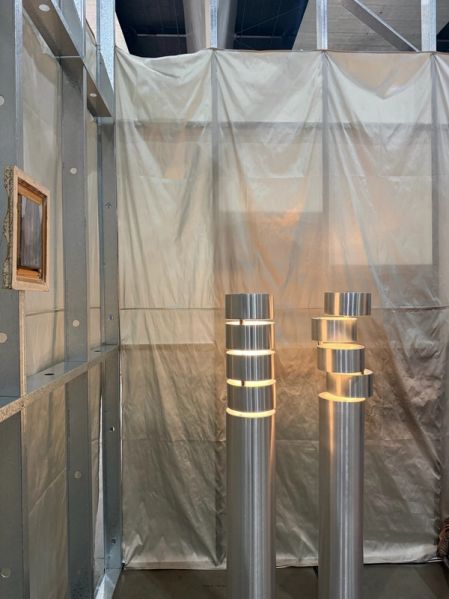
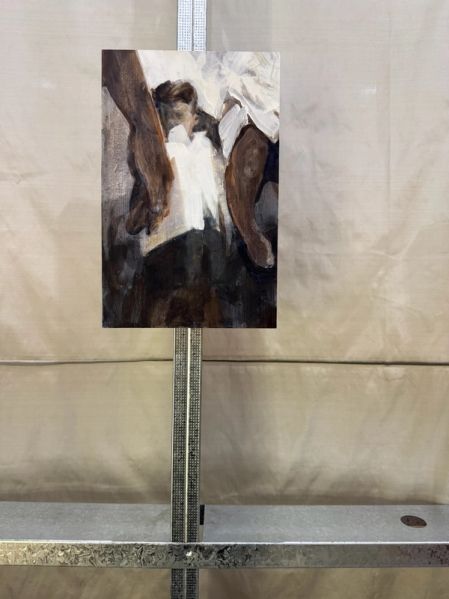
With these thoughts lingering, the presentations across FUTUREOBJEKT took on greater clarity, each exhibitor offering a distinct response to what makes an object not just functional, but truly collectable. Don Cameron’s presentation embodied this sensibility. His selections are functional yet fluid, modular forms that adapt rather than impose. The Bloc sofa, with its clean geometry and tactile upholstery balances utility with sculptural clarity while a pair of vintage Domingo lamps by Franz T. Santos shifts between symmetry and spiraling movement. In contrast, the work of Henk Duijn offers a different, though equally considered, rhythm. Built through layered acrylic, his small-scale canvases are abstracted fragments, deliberate crops that reveal just enough.
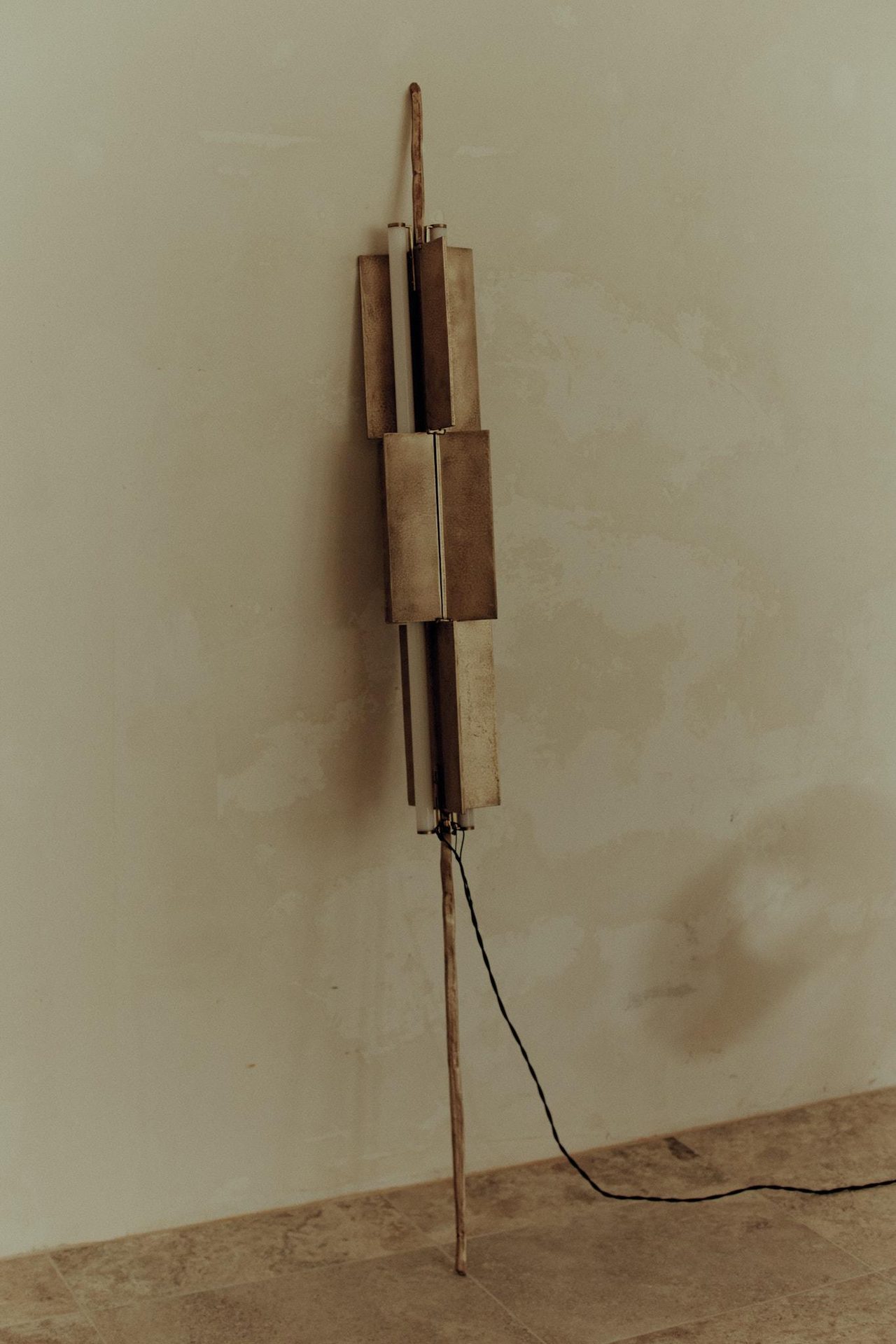
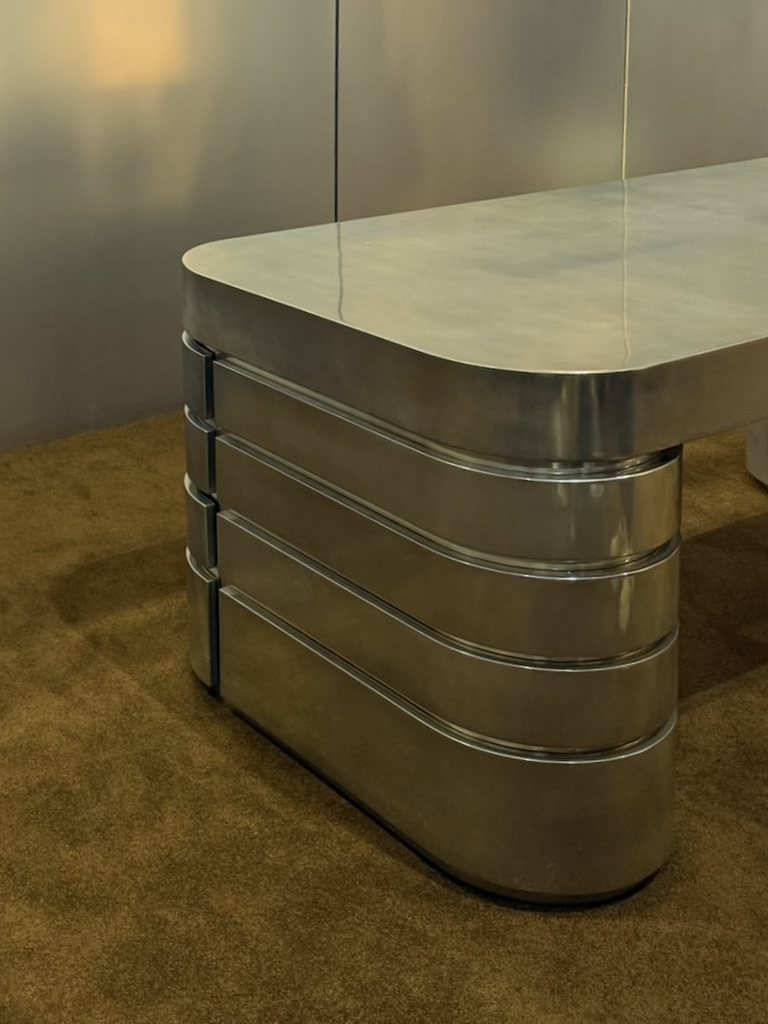
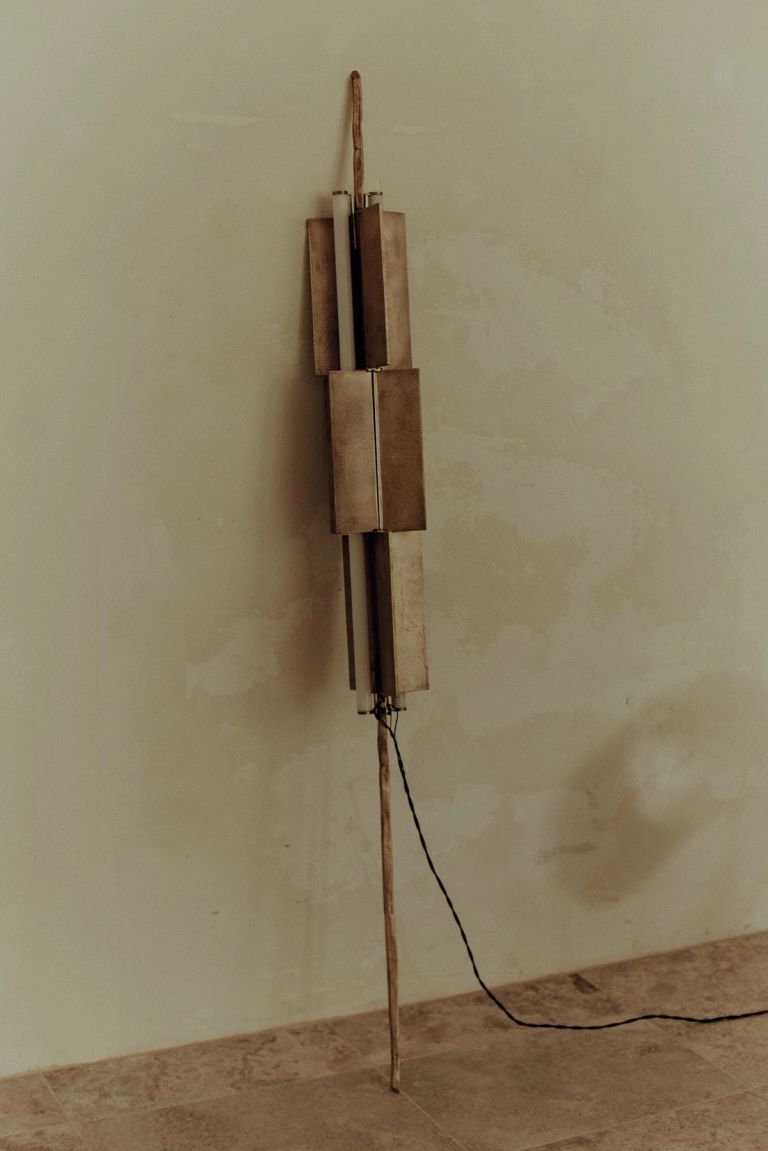
Gallery Twenty Twenty’s presentation of Joris Poggioli carried similar conviction. His silver-plated desk, offset by black leather drawers and produced in a limited edition of twelve, explores proportion and polish with architectural rigor. Oigåll Projects championed material intelligence, notably Linda Valentic’s bronze MTT-1 floor lamp.
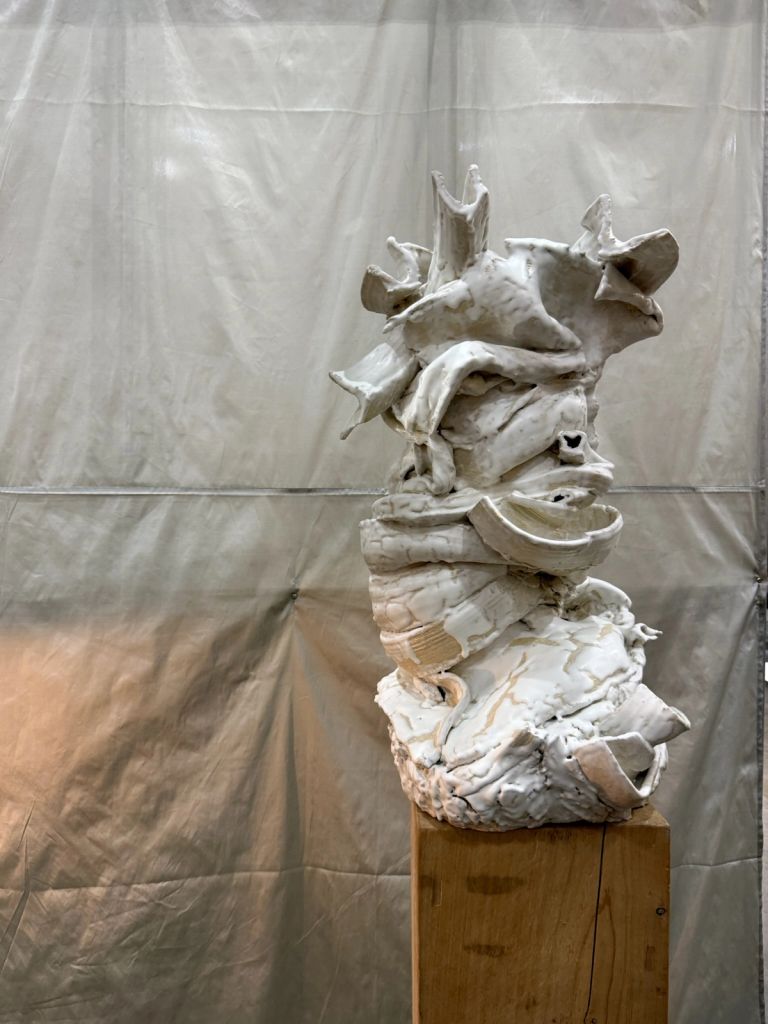
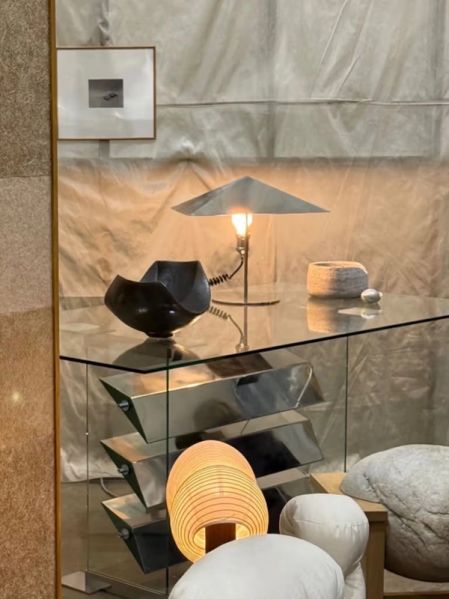
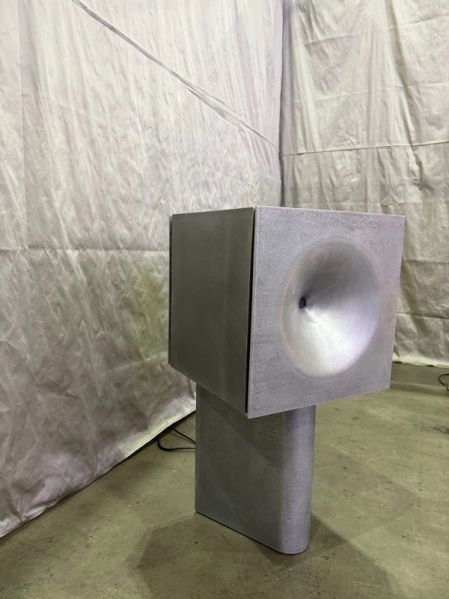
Studio Gardner extended the narrative with Patrick Crullis’ white glazed sculpture, while the custom V01 vessel by Tanika Jellis offers a quietly expressive form in glazed ceramic. In a change of pace, the Louvre desk by E.J.R. Barnes blends industrial precision with poetic form. Crafted from glass, stainless steel, silicone and felt, its minimalist silhouette balances transparency with structural clarity. Tom Fereday’s Cast speaker completed the arc, translating acoustic engineering into sculptural aluminium form.
To walk Melbourne Art Fair and FUTUREOBJEKT is to witness a design culture crystallising in real time. Beyond the theatre, there is a quieter exercise unfolding, one of discernment. Material, proportion and intent reveal themselves to those willing to look twice. Collecting with conviction begins in that pause. In recognising the pieces that feel resolved yet provocative. The works that do not clamour for attention, but command it through presence alone. The most enduring collections are not assembled for spectacle, but for intimacy. They challenge the room, they converse across eras and disciplines, they evolve with the lives around them. And in doing so, they hold their relevance long after the lights dim.